

Displaying items by tag: web design
Graphic and Web Design Trends in 2026
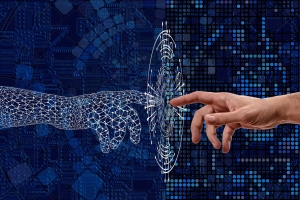
Where Human Creativity Meets Intelligent Technology.
The design landscape in 2026 sits at a fascinating intersection: advanced AI tools on one side and a renewed hunger for human authenticity on the other. Designers are no longer just creators of visuals—they are curators of experiences, balancing automation, storytelling, and emotion.
This year, both graphic and web design trends reflect a broader cultural shift: people want faster, smarter interfaces, but also more personal, imperfect, and meaningful visuals.
1. The Rise of Human-Centered Design (Again)
After years of sleek minimalism and algorithm-driven visuals, 2026 marks a clear return to human expression.
Designers are embracing:
· Hand-drawn elements
· Organic shapes
· Imperfect compositions
· Personal and cultural storytelling
This shift is partly a reaction to the rise of AI-generated content. As automation becomes more common, audiences increasingly value authenticity and emotional depth.
Rather than replacing designers, AI is pushing them toward more meaningful creative roles.
2. AI as a Creative Partner (Not a Replacement)
Artificial intelligence is now deeply integrated into design workflows:
· Rapid prototyping
· Layout generation
· Content personalization
· Automated testing
However, the role of the designer is evolving—not disappearing. A 2026 industry report shows that many designers see AI as disruptive, yet those who adopt it gain a competitive edge by increasing efficiency and creativity.
The key trend:👉 AI handles speed; humans handle meaning.
3. Imperfection, Brutalism, and “Anti-Design”
One of the boldest visual shifts in 2026 is the rise of intentional imperfection.
Expect to see:
· Asymmetrical layouts
· Rough textures
· Visible grids
· Retro and 90s-inspired visuals
This “anti-design” aesthetic reflects a desire to break away from overly polished digital experiences and reintroduce visual honesty.
4. Immersive 3D and Spatial Interfaces
Design is no longer flat.
Web and graphic experiences increasingly include:
· 3D elements
· Depth and motion
· Interactive environments
· AR/VR integrations
These immersive interfaces enhance storytelling and engagement, making digital products feel more like spaces than screens.
5. Maximalism and Playful Chaos
Minimalism isn’t gone—but it’s no longer dominant.
In 2026, many brands embrace:
· Bold colors
· Layered compositions
· Collage-style visuals
· Surreal and absurd imagery
This trend—sometimes described as “controlled chaos”—encourages experimentation and emotional impact.
6. Typography Takes Center Stage
Typography in 2026 is expressive and experimental:
· Oversized fonts
· Distorted letterforms
· Handwritten styles
· Animated text
Text is no longer just informational—it becomes a visual focal point and storytelling tool.
7. Smarter, Faster, More Accessible Web Design
Web design is evolving beyond aesthetics toward performance and usability.
Key priorities include:
· Accessibility-first design
· Faster load times
· Mobile-first experiences
· Inclusive UX patterns
Designers now treat accessibility as a core feature, not an afterthought.
8. Micro-Interactions and Subtle Motion
Small details make a big difference.
Micro-animations are widely used to:
· Guide user attention
· Provide feedback
· Enhance usability
· Add personality
These subtle interactions create smoother, more intuitive user experiences.
9. Organic and “Freeform” Layouts
Rigid grids are giving way to more fluid compositions.
Designers are experimenting with:
· Non-linear layouts
· Scroll-based storytelling
· Dynamic content flow
This creates websites that feel more like interactive narratives than static pages.
10. The Decline of Overused Trends
Some once-popular styles are fading out:
· Glassmorphism and “liquid glass” interfaces
· Overly sterile minimalism
· Generic template-based layouts
Designers are moving away from trends that feel repetitive or impersonal, favoring originality instead.
Conclusion: A Year of Balance
The defining theme of 2026 is balance:
· AI efficiency vs. human creativity
· Minimalism vs. maximalism
· Technology vs. emotion
Design is becoming more experiential, expressive, and inclusive. The most successful designers are those who can combine cutting-edge tools with a strong sense of story, identity, and purpose.
In short, 2026 isn’t about choosing between human and machine—it’s about designing where both work together seamlessly.